How Wildlife Can Damage Roofs, Attics, and Insulation
People seeking wildlife removal often want to protect their roofs, attics, and insulation from damage, and local service providers can efficiently handle these issues.
Understanding how wildlife can damage roofs, attics, and insulation is essential for property owners looking to protect their homes. Animals such as raccoons, squirrels, bats, and birds often seek shelter in attics and roof spaces, which can lead to a range of issues including chewed wiring, damaged roofing materials, and compromised insulation. Recognizing the signs early can help prevent costly repairs and safeguard the structural integrity of a property. Local contractors specializing in wildlife removal are equipped to assess the situation, safely remove any animals, and implement measures to prevent future intrusions.
For property owners in the area, exploring this topic is a practical step toward maintaining a safe and secure home environment. Wildlife-related damage not only affects the appearance and function of a building but can also pose health risks through droppings and potential disease transmission. Connecting with experienced wildlife removal service providers can ensure that any issues are addressed promptly and effectively. Keep reading to learn more about how wildlife can impact your property and how local experts can help restore your home’s safety and integrity.
- Wildlife intrusion - when animals like raccoons or squirrels enter roofs or attics, local contractors can assess the damage and remove the wildlife safely.
- Damaged insulation - wildlife nesting in attics can compromise insulation effectiveness, and service providers can restore or replace contaminated materials.
- Roof damage - signs of gnawing or holes caused by wildlife can lead to leaks, with local pros repairing and sealing entry points to prevent future issues.
- Attic contamination - droppings and nesting materials can create health hazards, prompting wildlife removal specialists to clean and sanitize affected areas.
- Structural deterioration - persistent wildlife activity can weaken roof and attic structures, and experienced service providers can reinforce and restore these areas.
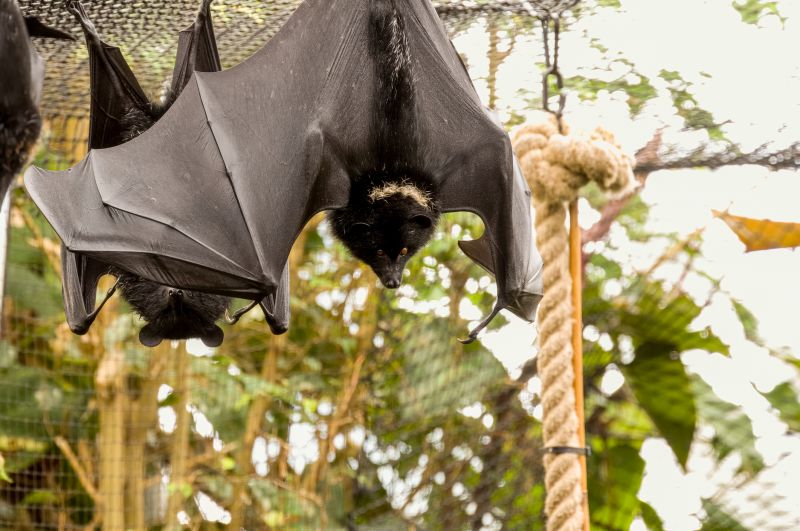
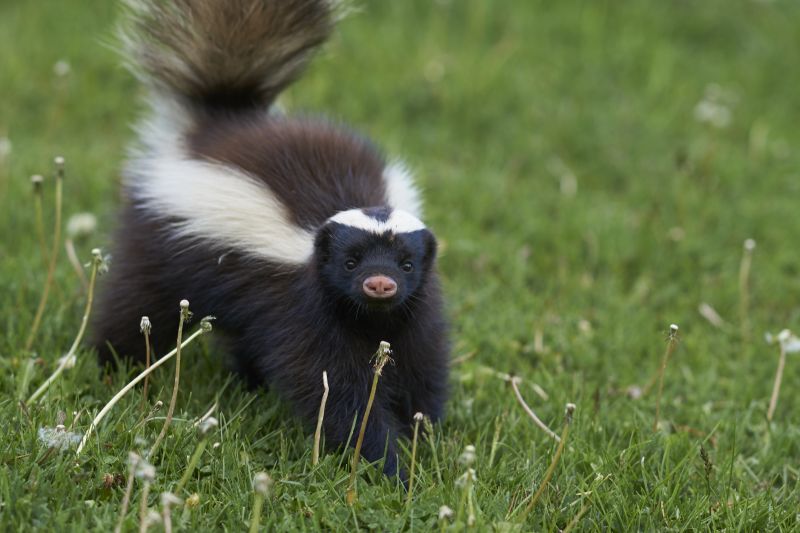
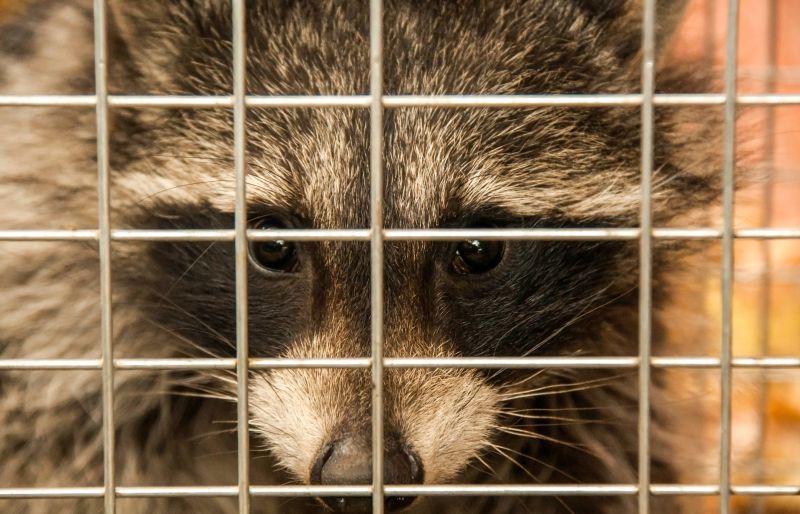
When homeowners search for information about how wildlife can damage roofs, attics, and insulation, they are often concerned about the physical harm animals can cause to their property. This topic typically relates to issues like animals entering the home through roof vents, chimneys, or gaps in the exterior, and then causing damage to structural components. Common questions involve understanding which types of wildlife are most likely to invade, how their presence can lead to costly repairs, and what signs to look for indicating an animal problem. People may also be exploring ways to prevent wildlife from gaining access or seeking advice on how to address damage caused by animals that have already entered the property.
The problems associated with wildlife damage often connect to larger property maintenance and repair plans. For example, homeowners might need to replace or reinforce damaged roofing materials, seal entry points, or repair compromised attic structures. Wildlife can cause insulation to become torn, soiled, or compressed, leading to decreased energy efficiency and higher utility bills. Additionally, some animals carry parasites or diseases that can pose health risks, prompting property owners to consider pest control or wildlife removal services. This topic is relevant to those planning repairs after an animal infestation or looking to prevent future issues by installing barriers or deterrents.
Properties most commonly affected by wildlife damage include single-family homes, especially those with accessible roofs, attics, or chimneys. Older homes with gaps or deteriorated roofing materials are particularly vulnerable. Rural or suburban properties near wooded areas tend to experience more frequent wildlife intrusions due to the proximity of trees, bushes, and natural habitats. Additionally, properties with poorly maintained or damaged roofs provide easy entry points for animals such as raccoons, squirrels, bats, or birds. Understanding the typical property types involved can help homeowners identify potential vulnerabilities and consider appropriate wildlife prevention measures.
Local service providers who specialize in wildlife removal and property repairs play an essential role in addressing these issues. They can assess how wildlife is gaining access, remove animals safely, and repair or reinforce vulnerable areas to prevent future intrusions. These professionals are equipped to handle the damage caused by animals to roofs, attics, and insulation, helping restore the property’s integrity and safety. Engaging with experienced wildlife removal contractors ensures that damage is properly managed and that the property is protected against ongoing wildlife-related problems. This connection to local experts provides homeowners with practical solutions tailored to their specific property needs.
Gutter and Roof Inspection Services - These projects involve assessing roof and attic conditions, similar to wildlife damage assessments, and often require expertise in identifying entry points used by animals.
Attic Ventilation and Insulation Services - Proper insulation and ventilation work are related to preventing wildlife from nesting and causing damage in attics and roofs.
Pest and Wildlife Proofing Solutions - These services focus on sealing entry points and preventing animal intrusion, directly supporting efforts to mitigate wildlife-related roof and attic damage.
Roof Repair and Replacement Projects - Addressing damage caused by wildlife often overlaps with roof repairs, requiring skills in identifying structural issues and implementing protective measures.
Insulation Installation and Removal - Removing and replacing damaged insulation due to wildlife activity is a common task that local contractors handle to restore attic integrity.
Chimney and Vent Cover Installations - Installing covers to block access points aligns with wildlife exclusion strategies that prevent animals from damaging roofs and attics.
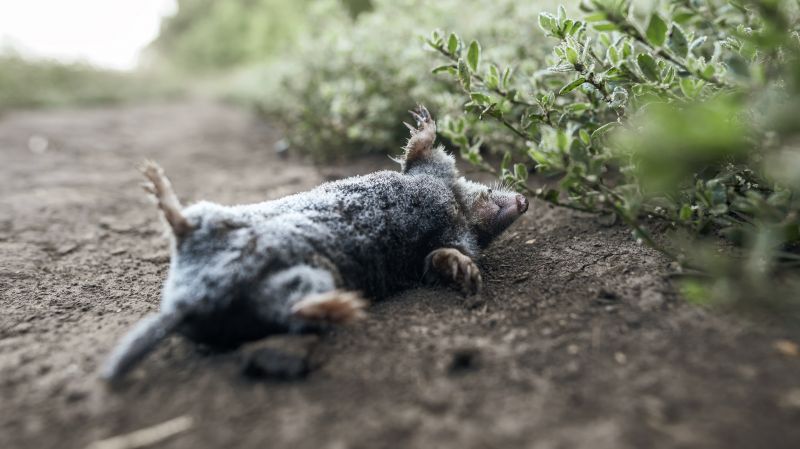
When evaluating wildlife removal service providers for addressing damage caused by wildlife in roofs, attics, and insulation, experience with similar projects is an important factor. Homeowners should inquire about the contractor’s background in handling wildlife-related issues specific to their property type and the extent of damage. A contractor with relevant experience is more likely to understand the common entry points, behavioral patterns of local wildlife, and effective removal techniques, which can lead to a more thorough and lasting solution. Ensuring that the service provider has a history of successfully managing projects similar to the homeowner’s situation can provide confidence that they are knowledgeable about the unique challenges wildlife can present.
Clear written expectations are essential when comparing potential service providers. Homeowners should seek detailed descriptions of the scope of work, including wildlife removal methods, damage repair, and prevention measures. Transparent communication about what services are included helps prevent misunderstandings and ensures that the homeowner understands the process from inspection to completion. Service providers who offer comprehensive written estimates and clearly outline the steps involved demonstrate professionalism and a commitment to transparency, making it easier for homeowners to compare options and select a contractor that aligns with their needs.
Reputable references and good communication are key indicators of a reliable wildlife removal service provider. Homeowners can ask for references from previous clients who experienced similar wildlife-related issues, which can provide insight into the contractor’s quality of work and customer service. A service provider who communicates clearly, responds promptly to questions, and provides updates throughout the project indicates a professional approach that values client understanding and satisfaction. Prioritizing these qualities helps ensure that the homeowner can trust the service provider to handle the delicate process of wildlife removal and damage repair effectively, reducing the risk of ongoing problems caused by wildlife intrusion.
Property owners often search for how wildlife can damage roofs, attics, and insulation when they are planning practical projects around their homes and businesses. Local pros provide Wildlife Removal services for everyday jobs and straightforward project options.
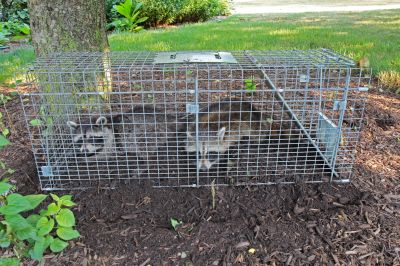
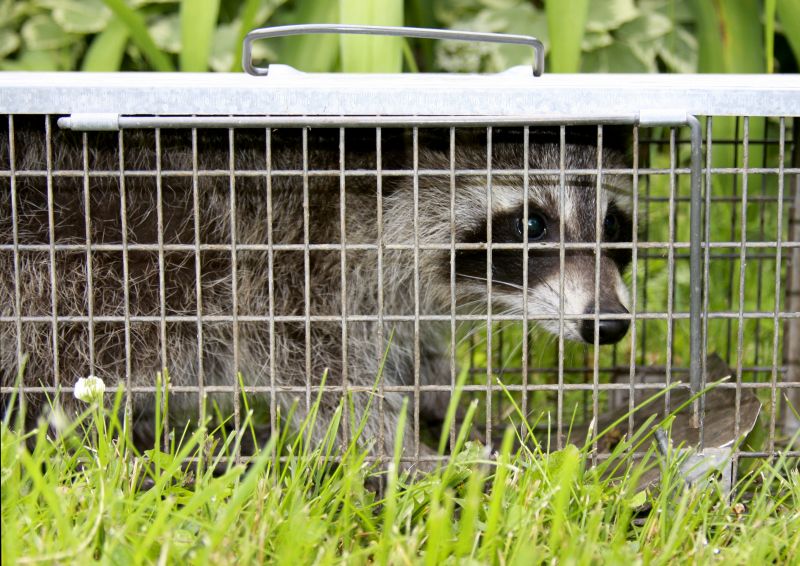
Wildlife can often find their way into roofs and attics through small openings or damaged areas, leading to significant property damage. Squirrels, raccoons, and birds are common culprits that may cause harm by tearing into insulation, gnawing on roof structures, or creating nests in hard-to-reach spaces. This type of damage not only compromises the integrity of the roof but can also lead to increased energy costs and potential water leaks if the protective barriers are compromised. Property owners searching for solutions might consider wildlife removal services to effectively address these issues and prevent further harm.
In addition to structural damage, wildlife can introduce health risks and create ongoing problems if they continue to inhabit a property’s attic or roof space. Animals such as bats or rodents can leave droppings and parasites that impact indoor air quality, while their nesting materials may block ventilation systems. Recognizing signs of wildlife intrusion early can help property owners avoid costly repairs and health concerns. Local contractors specializing in wildlife removal are equipped to safely and humanely remove animals, seal entry points, and restore the safety and comfort of the home environment.
How can wildlife damage roofs and attics? Wildlife such as raccoons, squirrels, and birds can create holes or gnaw through roofing materials, making entry points into attics. Once inside, they may cause structural damage and compromise the integrity of the roof. Local contractors experienced in wildlife removal can assess and repair these damages to prevent further issues.
What types of damage does insulation experience from wildlife? Wildlife can tear or displace insulation as they build nests or seek shelter, reducing its effectiveness. Animal droppings and urine can also contaminate insulation, leading to health concerns. Service providers can remove contaminated insulation and restore proper insulation levels.
How does wildlife access roofs and attics? Animals often exploit existing gaps, vents, or damaged areas in roofing and eaves to gain entry. Over time, they may enlarge these openings, making future access easier. Local wildlife removal experts can identify and seal these entry points to prevent re-infestation.
What are signs that wildlife has damaged a roof or attic? Common signs include strange noises, animal droppings, chewed wiring or materials, and foul odors. Visible damage such as holes or nests in the attic area can also indicate wildlife presence. Professionals can conduct inspections to confirm and address these issues.
Why should wildlife removal services handle damage caused by animals? Professionals have the expertise to safely remove animals, repair entry points, and restore damaged insulation and roofing materials. Proper removal and repairs help prevent future wildlife issues and protect the structural integrity of the home.
Identify entry points - property owners can inspect their roofs and attics to find potential wildlife entry spots and arrange for local contractors to seal them properly.
Assess damage to insulation - homeowners may evaluate insulation for signs of nesting or contamination and seek wildlife removal services to clean and restore the area.
Prevent future wildlife access - implementing exclusion techniques like installing barriers or vent covers can help prevent wildlife from re-entering the roof or attic space.
Schedule regular inspections - routine checks by local service providers can catch early signs of wildlife damage, reducing long-term repair needs.
If you are thinking about how wildlife can damage roofs, attics, and insulation for a property, this guide is meant to help you understand this topic, the typical project types, and how different options might fit your plans.
When you are ready, you can use the quote form on this page to share a few details about your project. From there, local pros can review the basics and follow up with options that match what you have in mind.