Bat Infestations in Homes: Health Risks and Safe Removal
To safely remove bat infestations in homes and reduce health risks, local contractors specialize in effective exclusion and cleanup services.
If you’ve noticed signs of bats in your home, you’re not alone-many property owners face this challenge and seek practical solutions. Bat infestations in homes can pose health concerns due to the potential spread of diseases and the presence of droppings, which can impact indoor air quality. Understanding the risks and exploring safe removal options is essential for maintaining a healthy living environment. Fortunately, experienced service providers in the area specialize in bat exclusion and removal, helping homeowners manage these situations effectively and safely.
Exploring this topic further can provide valuable insights into how local contractors approach bat infestations, ensuring the problem is addressed without causing unnecessary disruption. These professionals focus on humane and effective strategies to remove bats and prevent future issues, offering peace of mind for property owners concerned about health risks and property damage. Keep reading to learn more about the importance of professional removal services and how they can help protect your home and loved ones from the hazards associated with bat infestations.
- Bat infestation removal services are needed when homeowners notice signs of bats in their attic or walls, and local contractors use humane exclusion methods to safely remove them.
- Health risk assessment is important if residents experience symptoms linked to bat droppings or urine, with local service providers offering safe cleanup and removal solutions.
- Bat exclusion and cleanup are essential when a bat colony has established a roost in the home, with local pros sealing entry points and removing contamination safely.
- Wildlife damage repair services may be required after bat removal if structural damage or contamination has occurred, with local contractors restoring the affected areas securely.
- Preventive bat-proofing is advised to avoid future infestations, with local specialists installing barriers and ensuring the home remains bat-free safely.
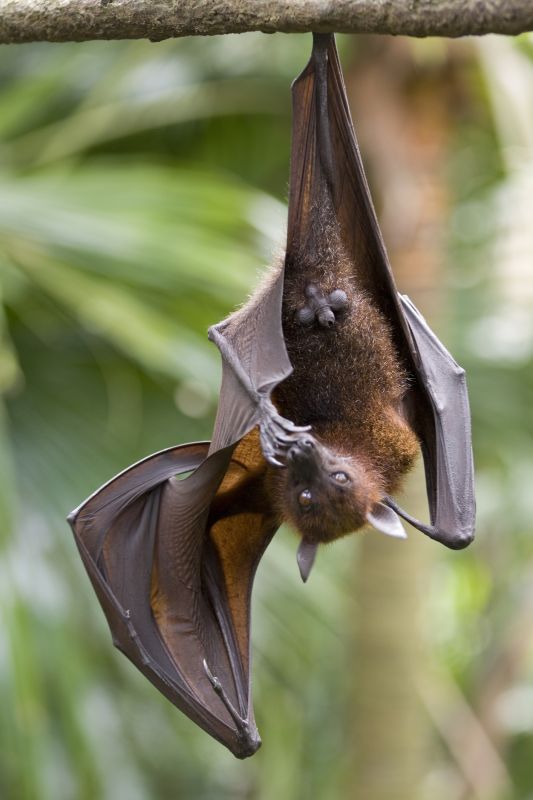
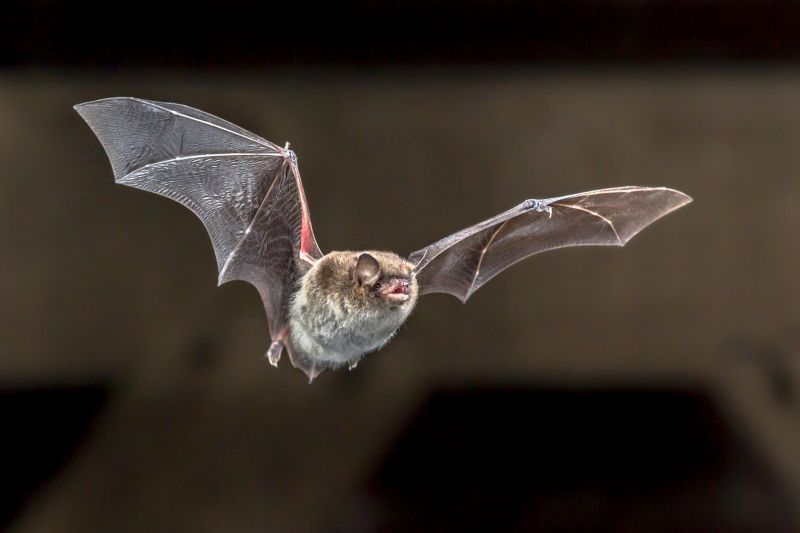
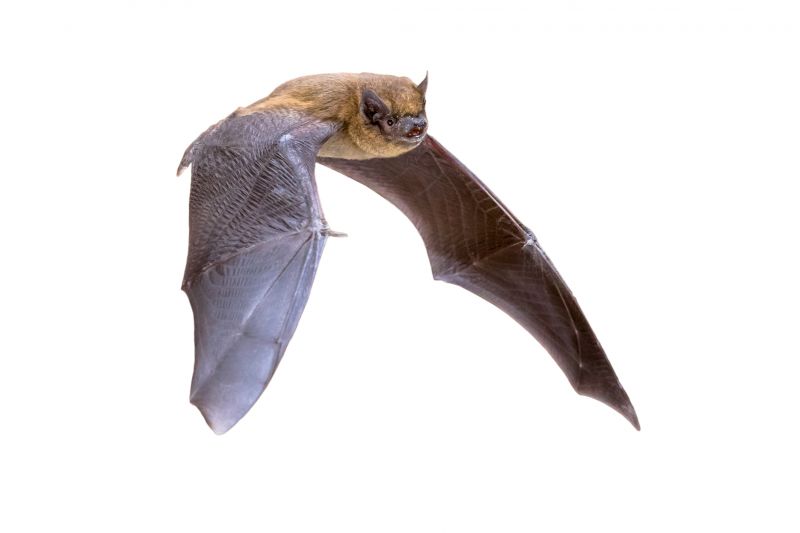
When people search for information about bat infestations in homes: health risks and safe removal, they are usually seeking to understand the potential dangers bats pose when they take up residence inside a residence. Many homeowners notice signs such as bat droppings, strange noises in walls or attics, or the presence of bats themselves near entry points. The focus often revolves around identifying whether a bat infestation exists and learning about the health hazards associated with bats, including the risk of diseases like rabies or histoplasmosis. Homeowners want to know how to handle these situations safely and effectively, especially since bats are protected wildlife in many areas and require careful removal to prevent further issues.
This topic relates closely to concerns about property damage, health safety, and the need for professional removal strategies. Bat infestations can lead to contamination of living spaces with droppings and urine, which may cause respiratory problems or other health complications if not properly addressed. Homeowners might also be planning repairs or renovations and need to ensure that bats are removed before work begins. Additionally, many are interested in long-term solutions to prevent future infestations, such as sealing entry points or installing exclusion devices. These plans often involve collaboration with local contractors who specialize in humane bat removal and exclusion, ensuring the process is safe for both residents and wildlife.
The types of properties most commonly affected by bat infestations include attics, eaves, roof vents, and wall voids-areas that provide quiet, dark, and sheltered spaces suitable for roosting. Residential homes are the most typical setting, especially older houses with accessible gaps or damaged siding. However, bat infestations can also occur in barns, sheds, and other outbuildings, particularly those with open eaves or unused spaces. Urban and suburban neighborhoods are often at risk, especially where trees or nearby wildlife habitats offer easy access for bats to enter buildings. Recognizing the specific property features that attract bats can help homeowners understand the importance of professional removal and exclusion services to protect their homes and health.
Connecting with local service providers who specialize in bat infestation removal is essential for addressing these issues safely and effectively. These professionals have the experience and tools needed to identify bat entry points, assess the extent of the infestation, and implement humane removal and exclusion methods. They can help homeowners develop a comprehensive plan that not only removes the bats but also prevents future problems through proper sealing and repairs. By working with local contractors, homeowners can ensure that the removal process complies with local regulations and wildlife guidelines, minimizing health risks and property damage while safeguarding the well-being of the household.
Attic insulation removal - professionals skilled in safely removing contaminated insulation can help prevent the spread of bat droppings and reduce health risks associated with bat infestations in homes.
Wildlife exclusion services - local contractors experienced in sealing entry points and preventing bat re-entry are essential for effective and safe removal of bat colonies from residential buildings.
Pest control consultation - experts can identify signs of bat presence and recommend appropriate, humane removal methods to address bat infestations in homes.
Structural repair and sealing - specialists can reinforce attic vents, soffits, and eaves to block bat access, ensuring long-term prevention of infestations and associated health hazards.
Guano cleanup and decontamination - trained service providers can safely remove bat droppings and disinfect affected areas to minimize health risks from pathogens.
Home inspection services - professionals can assess the extent of bat activity and recommend targeted removal and prevention strategies to safeguard the home environment.
When evaluating contractors for bat infestation removal, experience with similar projects is a key factor to consider. Homeowners should seek service providers who have a proven track record of handling bat infestations in residential settings, particularly those related to health risks and safe removal methods. An experienced contractor is more likely to understand the complexities involved, such as identifying entry points, implementing humane exclusion techniques, and ensuring that the removal process minimizes health hazards associated with bat droppings and potential disease transmission.
Clear written expectations are essential to ensure that both the homeowner and the service provider are aligned on the scope of work, procedures, and safety measures. When comparing local contractors, it’s helpful to review detailed estimates or project descriptions that outline steps involved in bat removal, including inspection, exclusion, cleanup, and prevention strategies. Transparent communication about what the service includes and any necessary follow-up can help prevent misunderstandings and ensure that the infestation is addressed thoroughly and safely.
Reputable references and strong communication skills are vital indicators of a trustworthy service provider. Homeowners should look for contractors who can provide references from previous clients, especially those who had similar bat infestation issues. Good communication involves prompt responses to questions, clear explanations of the process, and an openness to discussing concerns about health risks and safety precautions. Selecting a contractor who demonstrates professionalism and clarity can help ensure that the removal process is handled effectively, reducing health risks and preventing future infestations.
Property owners often search for bat infestations in homes: health risks and safe removal when they are planning practical projects around their homes and businesses. Local pros provide Bat Infestation Removal services for everyday jobs and straightforward project options.

Bat infestations in homes can pose serious health risks due to the potential spread of diseases and the presence of droppings that can cause respiratory issues. Property owners in the area might seek out information on safe removal methods to protect their families and pets from these hazards. Local contractors experienced in bat exclusion and removal services can assess the situation, identify entry points, and implement humane solutions to eliminate the infestation effectively.
Many homeowners look for reliable ways to address bat infestations without risking damage to their property or exposure to health dangers. Engaging with service providers who specialize in bat removal ensures that the job is handled safely and thoroughly. These local experts can provide guidance on preventing future invasions and help restore a safe, bat-free environment within the home.
What are the health risks associated with bat infestations in homes? Bat infestations can pose health risks such as exposure to diseases like histoplasmosis, which is caused by inhaling spores from bat droppings, as well as potential bites or scratches that may transmit other illnesses. Local contractors experienced in bat removal can help mitigate these risks through safe exclusion and cleanup methods.
How do professionals safely remove bats from a home? Professionals use humane exclusion techniques that seal entry points and safely remove bats without harming them, ensuring that the infestation is resolved while minimizing health hazards for residents. They also handle cleanup to reduce the risk of disease transmission from droppings and urine.
What signs indicate a possible bat infestation in a home? Common signs include seeing bats entering or exiting the attic or eaves, the presence of droppings or urine stains, and hearing scratching or squeaking sounds inside walls or ceilings. Local service providers can assess these signs and confirm if a bat infestation exists.
Can bat droppings in a home be harmful to health? Yes, bat droppings can carry spores that cause respiratory illnesses like histoplasmosis if disturbed and inhaled. Professional removal services include proper cleanup procedures to reduce exposure to these health hazards.
Why should a homeowner rely on professionals for bat removal? Professionals have the expertise to perform safe and effective removal, prevent re-entry, and properly clean affected areas, reducing health risks associated with bat infestations in homes. They ensure the job is done in a way that prioritizes safety and thoroughness.
Identify entry points - property owners can inspect their home for small openings where bats may enter, and local contractors can help seal these gaps safely.
Prevent future infestations - implementing exclusion methods around attics and vents can reduce the risk of bat re-entry, with guidance from local pros.
Remove existing bats safely - professional removal ensures bats are relocated without harm, minimizing health risks associated with bat infestations in homes.
Disinfect affected areas - cleaning and sanitizing spaces contaminated by bat droppings helps prevent disease transmission, with assistance from local service providers.
If you are thinking about bat infestations in homes: health risks and safe removal for a property, this guide is meant to help you understand this topic, the typical project types, and how different options might fit your plans.
When you are ready, you can use the quote form on this page to share a few details about your project. From there, local pros can review the basics and follow up with options that match what you have in mind.