Common Small Animal Problems in Commercial and Industrial Properties
To resolve common small animal problems in commercial and industrial properties, local service providers can identify, remove, and prevent pests effectively.
Property owners in commercial and industrial settings often face a range of challenges related to small animals, which can impact safety, sanitation, and overall property integrity. Whether it’s rodents nesting in wall cavities or birds roosting on rooftops, these common small animal problems can quickly become more than just an inconvenience if left unaddressed. Recognizing the signs early and understanding the potential issues can help maintain a secure and clean environment, making it worthwhile for property managers and owners to explore effective solutions.
Local service providers specializing in small animal removal are equipped to handle these issues efficiently and humanely. They offer practical expertise in identifying and resolving problems caused by small animals, helping property owners prevent damage and health concerns. Exploring the services available can connect property owners with trusted professionals who understand the unique needs of commercial and industrial properties, ensuring that small animal problems are managed effectively and with minimal disruption. Keep reading to learn more about common issues and how local experts can assist in maintaining a safe, animal-free space.
- When signs of small animal intrusion appear in commercial or industrial properties, local contractors can assess and safely remove the pests to prevent further damage. - If rodents or other small animals are causing structural damage or contamination, local service providers can implement effective removal strategies tailored to the property. - In cases where small animals are nesting in hard-to-reach areas, local pros use specialized equipment to access and eliminate the pests efficiently. - When odors or noise from small animals disrupt business operations, local contractors can identify entry points and remove the animals to restore normalcy. - For properties experiencing recurring small animal problems, local service providers can help identify entry points and implement exclusion methods to prevent future infestations.
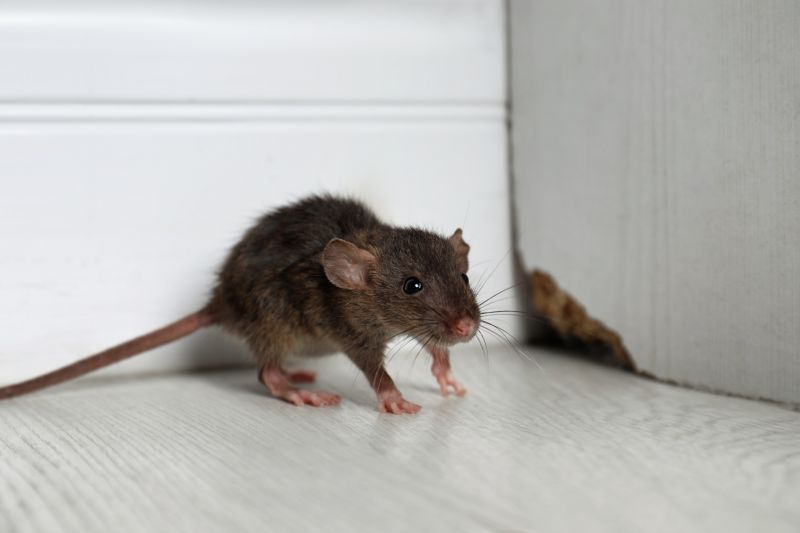
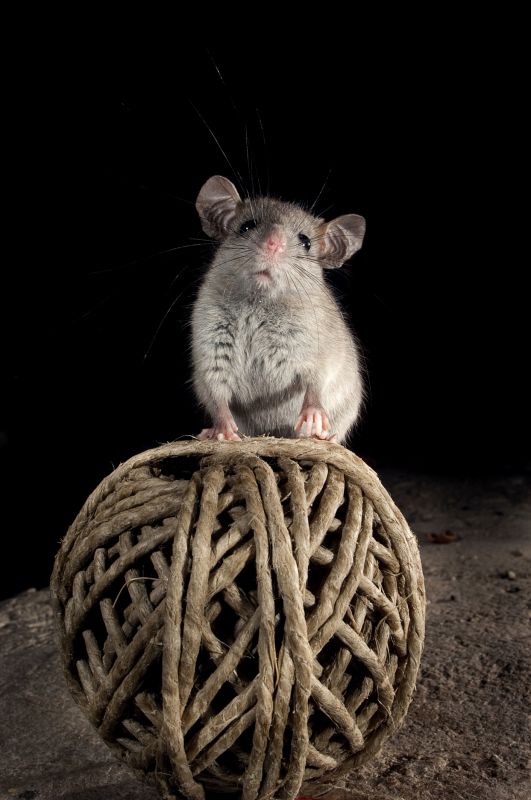
When people search for information about common small animal problems in commercial and industrial properties, they are usually trying to understand issues caused by animals such as rodents, birds, or other small creatures that can invade or damage their facilities. These searches often stem from concerns about pests that threaten the safety, cleanliness, or integrity of a building. Property owners and managers want to identify signs of animal activity early to prevent more serious problems, such as structural damage, contamination, or health hazards. Recognizing these issues and knowing when to seek professional help is key to maintaining a secure and functional environment.
The problems associated with small animals in commercial and industrial settings can vary widely. Common concerns include animals nesting in insulation, wall voids, or ductwork, which can lead to compromised building insulation and increased energy costs. Droppings, nesting materials, and chewed wiring are visible signs of activity that can cause fire hazards or equipment malfunctions. In some cases, animals may also introduce parasites or pathogens into the property, creating health risks for employees and visitors. Planning for effective removal and exclusion measures is essential to prevent recurring issues and protect the property’s operations.
Certain types of properties are more prone to small animal problems due to their structure, location, or use. Warehouses, manufacturing plants, and distribution centers often have large open spaces and storage areas that provide ideal nesting sites. Industrial facilities with extensive roof structures or ventilation systems can be vulnerable to bird invasions, while buildings with gaps or damaged areas may attract rodents seeking shelter. Commercial properties situated near wooded or undeveloped land are also at higher risk. Understanding the specific features and vulnerabilities of a property helps in developing targeted plans to address small animal issues effectively.
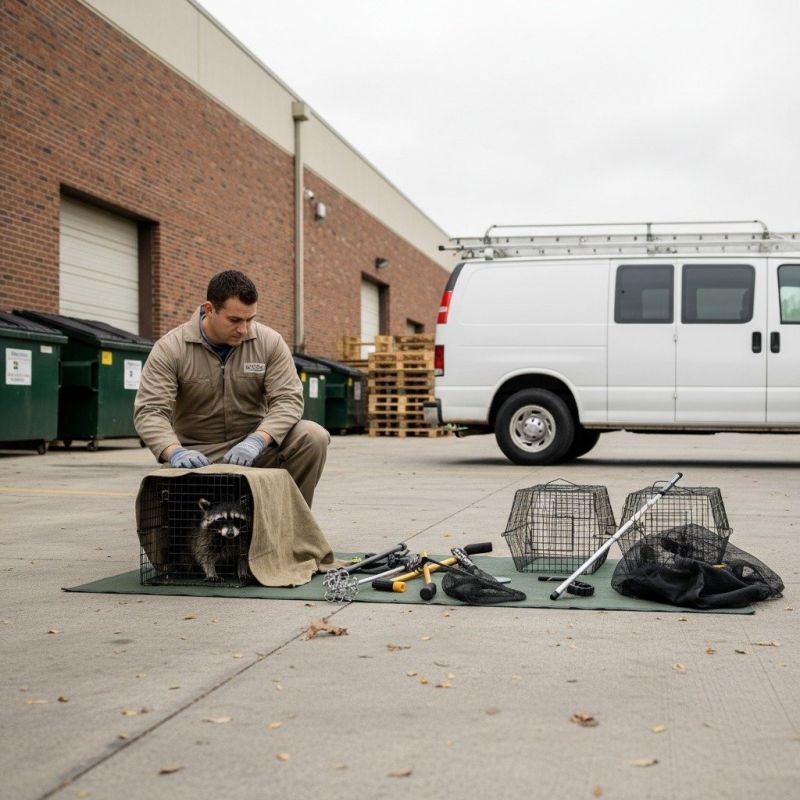
Local service providers specializing in small animal removal and exclusion often play a crucial role in managing these problems. They can conduct thorough inspections to identify signs of animal activity and pinpoint entry points or nesting sites. These professionals help property owners implement humane removal methods and recommend exclusion strategies to prevent future invasions. Whether it involves trapping, sealing entry points, or habitat modification, these experts are equipped to handle the unique challenges posed by small animals in commercial and industrial settings. Connecting with experienced local contractors ensures that small animal problems are addressed efficiently and responsibly, helping maintain a safe and secure property.
Wildlife exclusion projects involve sealing entry points and installing barriers, skills that are essential for addressing small animal problems in commercial and industrial properties.
Pest proofing services focus on preventing unwanted animals from accessing buildings, which aligns with the needs of small animal removal in commercial settings.
Building inspection and assessment help identify potential entry points and nesting sites, supporting effective small animal removal strategies.
Structural repair and sealing projects require knowledge of building components, which is useful when addressing small animal entry issues.
Rodent control services often overlap with small animal removal, especially in identifying and mitigating access points for various pests.
Habitat modification projects involve altering the environment to make it less attractive to small animals, complementing removal efforts in commercial and industrial properties.
When evaluating service providers for small animal removal in commercial and industrial properties, it’s important to consider their experience with similar projects. Contractors who have handled small animal problems in environments like warehouses, factories, or office complexes are more likely to understand the unique challenges involved. They can offer insights into effective removal strategies and prevention methods tailored to such properties. Asking about their past work in comparable settings can help determine if they have the practical knowledge needed to address common small animal issues effectively and efficiently.
Clear, written expectations are a crucial aspect of choosing the right local contractor. A reputable service provider should be able to communicate their process, the scope of work, and what the property owner can expect at each stage. This transparency helps prevent misunderstandings and ensures that everyone is aligned on the goals of the project. It’s beneficial to review any written estimates or plans and confirm that they include details about inspection, removal, and follow-up measures to keep small animals from returning.
Reputable references and good communication are also key factors when comparing local service providers. Contractors with positive references from previous clients demonstrate a track record of reliable service and successful small animal removal. Good communication throughout the process helps address questions or concerns promptly, fostering a smoother experience. When considering different options, it’s helpful to inquire about references and observe how clearly they explain their approach, as this can be indicative of their professionalism and dedication to customer service.
Property owners often search for common small animal problems in commercial and industrial properties when they are planning practical projects around their homes and businesses. Local pros provide Small Animal Removal services for everyday jobs and straightforward project options.
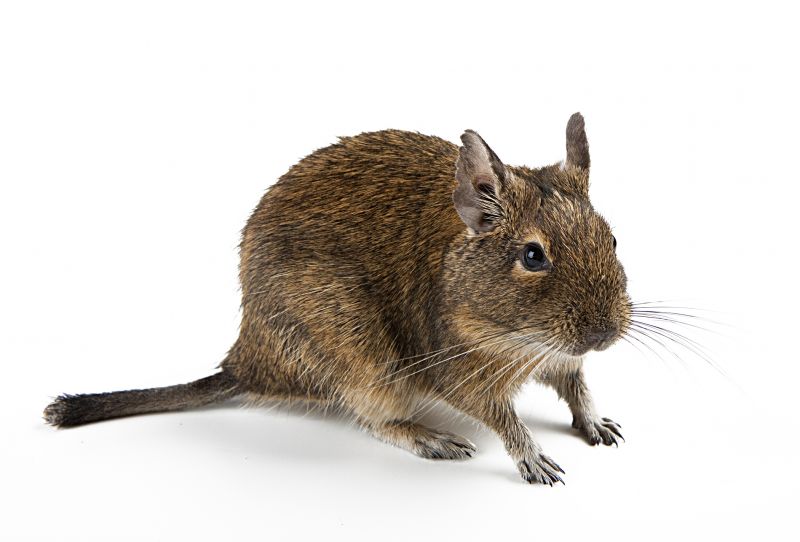
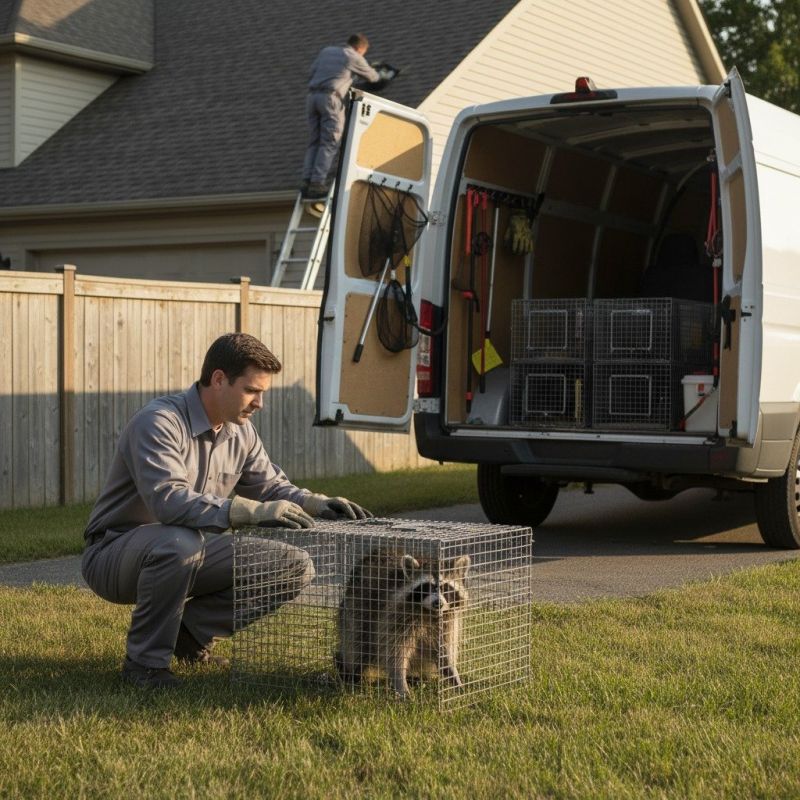
Commercial and industrial properties often face common small animal problems that can disrupt operations and cause damage. Rodents, such as mice and rats, are frequently attracted to storage areas, electrical wiring, and insulation, leading to potential fire hazards and structural issues. Additionally, small animals like squirrels or raccoons may find their way into attics, wall cavities, or ventilation systems, creating noise disturbances and increasing the risk of contamination. Property owners encountering these issues often seek out local contractors experienced in small animal removal to safely and effectively address the problem and prevent future infestations.
In many cases, small animals may enter buildings through gaps, vents, or damaged roofing, especially in areas with older or poorly maintained structures. When signs of animal activity are noticed-such as droppings, gnaw marks, or unusual noises-property owners may look for local service providers specializing in small animal removal. These professionals can assess the situation, identify entry points, and implement humane and effective solutions to remove the animals and secure the property against re-entry. Connecting with experienced local contractors helps ensure that small animal problems are handled promptly and properly.
What are common signs of small animal problems in commercial and industrial properties? Signs include unusual noises, droppings, gnaw marks, and damage to wiring or insulation, which may indicate the presence of small animals needing removal services.
Why is it important to address small animal issues promptly? Prompt action can prevent further property damage, reduce health risks, and eliminate pests before they become more difficult to manage, making professional removal services essential.
What types of small animals are typically found in commercial and industrial settings? Common small animals include rodents like rats and mice, as well as squirrels, raccoons, and occasionally bats, all of which may require specialized removal services.
How do local contractors handle small animal removal in commercial properties? They assess the extent of the problem, identify entry points, and use humane and effective removal methods tailored to the specific type of animal involved.
Can small animal problems lead to other property issues? Yes, infestations can cause structural damage, electrical hazards, and contamination, making professional removal a key step in maintaining property integrity.
Identifying entry points - property owners can inspect buildings for small animal entry points and work with local contractors to seal gaps, preventing future infestations.
Implementing exclusion methods - applying exclusion techniques with the help of local service providers can keep small animals from returning after removal.
Removing nesting sites - small animal removal services can assist in safely clearing nests and debris that attract pests in commercial spaces.
Maintaining property sanitation - regular cleanup and debris removal can reduce attractants, with local pros offering guidance on best practices for pest prevention.
If you are thinking about common small animal problems in commercial and industrial properties for a property, this guide is meant to help you understand this topic, the typical project types, and how different options might fit your plans.
When you are ready, you can use the quote form on this page to share a few details about your project. From there, local pros can review the basics and follow up with options that match what you have in mind.