
Favorite Opossum Control Service Products For Professionals
Browse top-rated products favored by pest control experts for their reliability and ease of use in opossum removal tasks.
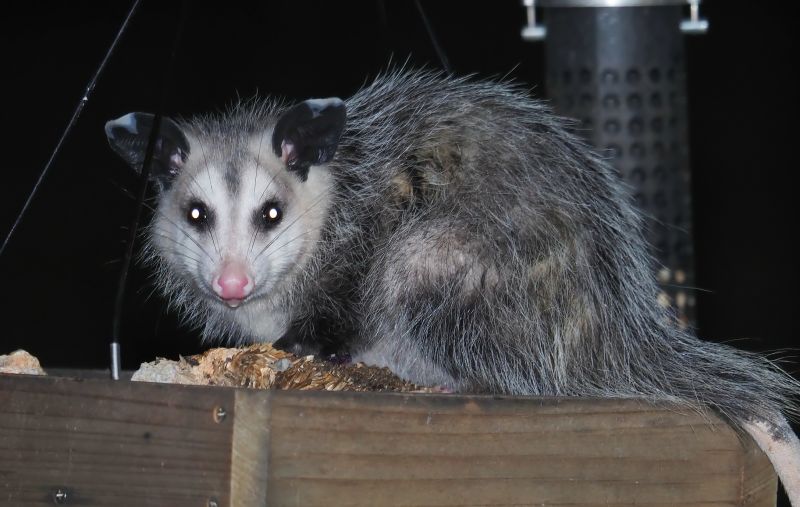 Opossums can become unwelcome visitors in residential and commercial properties, often seeking shelter, food, or water. Effectively managing opossum presence requires understanding the range of products designed to deter, trap, or exclude these creatures. A comprehensive approach involves selecting the right tools and methods tailored to specific situations, whether it's preventing entry points, trapping nuisance animals, or discouraging their activity around your property. Proper identification of problem areas is essential to determine which products will be most effective in your unique circumstances.
Top Overall Option
Multi-Purpose Animal Barrier and Exclusion System
A versatile exclusion system designed to seal entry points and prevent opossums from accessing structures. This type of barrier typically features durable, weather-resistant materials and customizable components to fit various openings. It is suitable for use around foundations, vents, chimneys, and attic vents, providing a humane and long-lasting solution to keep opossums out of sensitive areas.
Types of Products For Opossum Control Service
Exclusion Fencing
Durable fencing designed to block opossum entry points around yards or gardens, often made from galvanized wire or heavy-duty mesh.
Live Traps
Humane traps that allow for safe capture and relocation of nuisance opossums, suitable for use in residential areas.
Repellents
Odor-based or ultrasonic repellents intended to discourage opossums from frequenting specific areas.
Entry Point Sealants
Weatherproof sealants and patches used to close gaps and holes that opossums might use to gain access to buildings.
Motion-Activated Deterrents
Devices that emit sounds or lights when motion is detected, designed to startle and deter opossums.
Underhouse Barriers
Specialized barriers to block access under decks, porches, or sheds where opossums may hide or nest.
Ultrasonic Devices
Electronic devices that emit high-frequency sounds intended to repel opossums without causing harm.
Scent Deterrents
Products that use strong odors to make areas less attractive to opossums, often including predator urine or commercial repellents.
Trap Covers
Protective covers for traps to prevent non-target animals from interfering and to keep captured animals secure.
Safety Lights
Bright or flashing lights used to discourage nocturnal animals from approaching certain areas.
Structural Reinforcements
Materials and techniques used to strengthen existing structures and prevent opossums from creating new entry points.
Vegetation Management Tools
Tools and products for trimming and managing dense vegetation that provides cover for opossums.
Habitat Modification Products
Items designed to remove food and water sources that attract opossums, such as bird feeders or trash can covers.
Popular Choices
Commonly used to deter nocturnal animals by illuminating dark areas when movement is detected.
Popular for their ease of use and non-lethal approach to discouraging opossums and other pests.
Widely used for yard and garden exclusion, providing a physical barrier against opossums.
Effective for humane removal of nuisance animals, often favored for their reliability and safety.
Popular for their straightforward application around problem areas to discourage opossum activity.
Commonly used to close gaps and prevent animals from entering attics, basements, or crawl spaces.
Frequently chosen to block access under decks and sheds where opossums might nest.
Affordable deterrents that create visual disturbances to discourage animals from approaching.
Complete kits that include various tools and materials for sealing and exclusion projects.
Popular for illuminating dark areas and reducing nocturnal animal activity around homes.
Commonly used to seal cracks and gaps around structures to prevent entry.
When considering products for opossum control, it is important to prioritize humane and safe options that comply with local regulations. Many products are designed to either repel or trap opossums without causing unnecessary harm. Additionally, combining physical barriers with deterrents can provide a more comprehensive solution. Regular maintenance and inspection of your property can help prevent future issues by addressing potential entry points and food sources that attract opossums.
Effective control strategies should also factor in the environment and the behavior of opossums. These adaptable animals are nocturnal and often seek shelter in dark, concealed areas. Products that provide a physical barrier, such as durable fencing or exclusion devices, are often recommended for long-term prevention. Traps and repellents can be useful for immediate removal or deterrence, but they should be used responsibly and in accordance with local wildlife regulations. Properly managing opossum activity can help maintain a safe and clean property while respecting local wildlife laws.
Key Buying Considerations
- Identify specific entry points and problem areas before selecting products.
- Choose humane trapping options if you prefer non-lethal control methods.
- Ensure products are suitable for outdoor or indoor use based on your needs.
- Consider the size and weight capacity of traps or barriers to match opossum behavior.
- Check for weather-resistant materials to ensure durability in outdoor environments.
- Look for easy installation and maintenance features for long-term effectiveness.
- Verify that repellents are safe for pets and children if used in accessible areas.
- Evaluate whether a combination of deterrents and physical barriers provides a comprehensive solution.
- Understand local wildlife regulations regarding trapping and relocating animals.
- Assess the level of noise or odor produced by repellents to avoid disturbances.
- Select products that can be integrated with existing structures or landscaping.
- Read customer reviews for insights into product performance and reliability.
- Determine if professional installation is recommended for complex exclusion projects.
- Consider budget constraints while balancing effectiveness and longevity of products.
- Plan for ongoing inspection and maintenance to ensure continued protection.